
SERVICES
San Diego TMJ Dentist: Find Relief from Jaw Pain & Headaches
Are you experiencing persistent jaw pain, headaches, or clicking in your jaw?
TMJ (temporomandibular joint) disorders can cause significant discomfort, affecting your ability to eat, speak, and even sleep. If you're searching for a San Diego TMJ dentist specializing in relieving TMJ pain, you've come to the right place. Our practice focuses on diagnosing and treating the underlying causes of TMJ disorders, which involve the joint connecting your jawbone to your skull.
Common symptoms that patients seek help for include chronic jaw pain, frequent headaches (often mistaken for tension headaches), neck and shoulder pain, jaw stiffness, clicking or popping in the jaw, and even a bite that feels "off." We offer non-surgical treatments to alleviate your TMJ symptoms and improve your quality of life right here in San Diego.
Can TMJ disorders cause headaches?
Yes, TMJ (temporomandibular joint) dysfunction can cause headaches. Many people don't realize that persistent headaches may originate from a problem with their jaw joint.
Misdiagnosis: A study by the University of Buffalo School of Dental Medicine (2006) found that TMJ-related headaches are frequently mistaken for tension headaches.
Symptom Tracking: Carefully monitoring your symptoms can help distinguish between different types of pain and guide you toward effective relief.

SYMPTOMS
What Does TMJ Pain Feel Like
TMJ pain is often described as an intermittent, dull, aching sensation that spreads from the jaw joint and the area around it.
What Other Symptoms Can Occur with TMJ Issues (Even Without Significant Pain)?
Even if you don't experience significant jaw pain, other symptoms can indicate a TMJ disorder, including:
Headaches: Recurring or persistent headaches.
Neck and shoulder pain: Aches or stiffness in the neck and shoulder muscles.
Jaw Stiffness: Difficulty or discomfort when opening or closing your mouth.
Ear Issues: Pain in the ear, a feeling of pressure, or ringing sounds (tinnitus).
Clicking or popping of the jaw
Limited Jaw Movement: Episodes where your jaw gets stuck or "locked."
Teeth Grinding (Bruxism): Clenching or grinding your teeth, especially at night.
Changes in Bite: A sudden or gradual sensation that your bite feels "off."
Dizziness: A feeling of being lightheaded or unsteady.
What are the Common Causes of TMJ Disorders (TMD)?
There are many things that can trigger TMJ, and sometimes it’s not straightforward or obvious. A few things to look out for:
TMJ disorders (TMD) can be triggered by various factors, and the exact cause is often multifaceted. Here are some key contributors:
Injury: Trauma to the jaw joint or surrounding areas, such as a blow to the face or whiplash, can lead to TMJ problems.
Arthritis: Different forms of arthritis, like osteoarthritis or rheumatoid arthritis, can affect the temporomandibular joint, causing pain and dysfunction.
Stress: Psychological stress often leads to habits like teeth grinding (bruxism) and jaw clenching, which put excessive pressure on the TMJ.
Orthodontics: While sometimes used to treat TMJ by correcting bite issues, in some cases, orthodontic treatments or changes in bite alignment can contribute to or exacerbate TMJ problems.
Missing Teeth: Gaps from missing teeth can cause an uneven bite, forcing the jaw to compensate and leading to strain on the TMJ.
What are the Treatment Options for TMJ Disorders (TMD)?
Fortunately, TMJ disorders (TMD) are treatable. The goal of treatment is not only to relieve current symptoms but also to identify the underlying cause and prevent future pain. Common non-surgical treatment options include:
Oral Appliance Therapy (Splints/Night Guards): Custom-fitted devices worn in the mouth to stabilize the jaw joint, correct bite issues, and reduce teeth grinding or clenching.
Physical Therapy: Exercises and manual techniques to improve jaw mobility, reduce muscle tension, and alleviate pain in the jaw, neck, and shoulders.
Medications: Pain relievers (over-the-counter or prescription), muscle relaxants, or anti-inflammatory drugs to manage pain and inflammation.
Botox® injections may be considered for severe muscle spasms.
Stress Management Techniques: Strategies like relaxation exercises, yoga, or cognitive behavioral therapy to address stress-related teeth grinding and jaw clenching.
Frequently Asked Questions About TMJ Treatment
Does TMJ go away on its own?
Mild TMJ symptoms can improve on their own with rest and stress reduction, but moderate to severe cases — especially those involving jaw locking, chronic headaches, or significant bite changes — typically worsen without treatment. The earlier TMJ is diagnosed and addressed, the more conservative (and affordable) the treatment options tend to be. If you've had jaw pain or clicking for more than a few weeks, it's worth getting evaluated.
Is TMJ treatment covered by dental insurance?
Not typically. Patients may be able to submit claims on their own to their medical insurance.
How long does TMJ treatment take?
Most patients begin noticing improvement within 4 to 6 weeks of wearing a custom oral appliance. Full stabilization of the bite, especially in more complex cases, can take anywhere from 3 to 12 months. Botox for TMJ pain typically provides noticeable relief within 1 to 2 weeks and lasts 3 to 6 months per session. Dr. Agatep will give you a realistic timeline after your initial evaluation.
What's the difference between a night guard from my dentist vs. one from the drugstore?
Over-the-counter night guards are one-size-fits-all and made from soft material that can actually encourage clenching in some patients, worsening TMJ symptoms over time. A custom-fitted appliance from Dental Design SD is fabricated from a precise impression of your teeth, calibrated to your specific bite position, and designed to gradually decompress the jaw joint — not just cushion it. For true TMJ treatment (vs. basic teeth grinding protection), a custom device is significantly more effective.
Can stress cause TMJ?
Yes — stress is one of the most common triggers of TMJ flare-ups. Psychological stress leads to unconscious jaw clenching and teeth grinding (bruxism), which puts repetitive strain on the temporomandibular joint and surrounding muscles. Many patients first notice TMJ symptoms during high-stress periods at work or during major life events. Treatment often combines a physical appliance with stress awareness strategies to address both the cause and the symptoms.
Is TMJ treatment painful?
The treatment itself is not painful. Most patients find oral appliance therapy comfortable within the first week of wearing their device. Botox injections involve very brief, minor discomfort at the injection site — similar to a small pinch — and most patients tolerate them easily. Dr. Agatep uses a gentle approach and will walk you through every step before proceeding.
Can TMJ cause ear pain and ringing (tinnitus)?
Yes. The temporomandibular joint sits directly adjacent to the ear canal, and inflammation or dysfunction in the joint can radiate pain into the ear, create a feeling of fullness or pressure, and in some cases contribute to tinnitus (ringing in the ears). Patients who have seen ENT specialists without a clear diagnosis are sometimes found to have undiagnosed TMJ disorder. If you have unexplained ear symptoms alongside jaw discomfort, it's worth having a TMJ evaluation.
Do you offer same-day or urgent appointments for jaw pain?
Yes. We open at 7 AM Monday through Friday and can often accommodate urgent TMJ consultations, especially for patients experiencing acute jaw locking or severe pain. Call us at (858) 490-4281 to check same-day availability, or schedule online for the next available appointment.
HOW IT WORKS
TMJ / TMD Treatment Process
STEP ONE
We will conduct a thorough interview and examination to gauge the severity and symptoms associated with TMJ / TMD pain.
STEP TWO
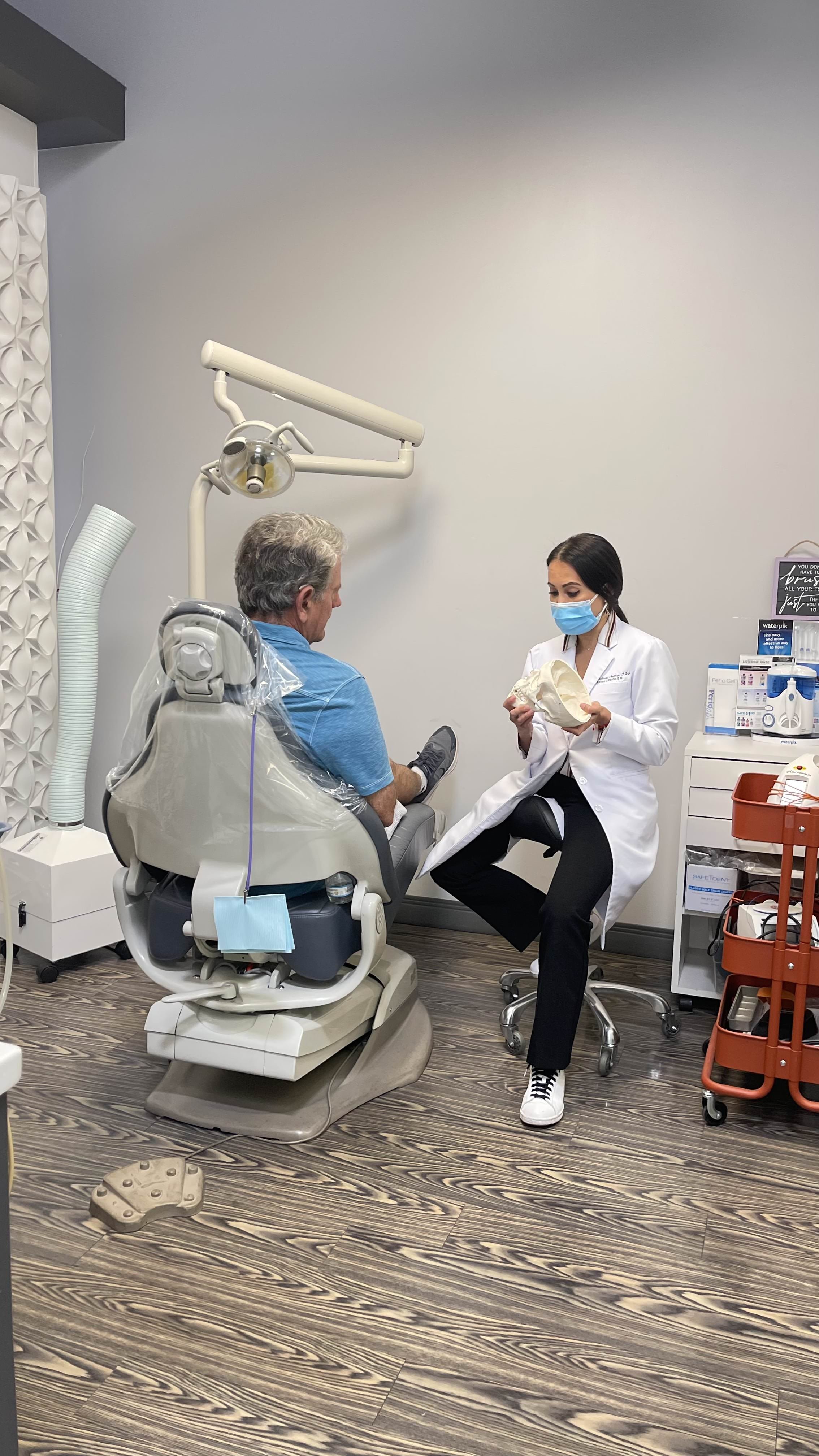
Education is important. We provide a thorough explanation of what might be causing the pain and available treatment options.
STEP THREE
A CT scan might be required in order to get a 3D image of the jaw muscles and structure. This is completed onsite.
STEP FOUR
Our goal is to get you out of pain first. If we can accomplish this, then we will have a better understanding of the proper treatment.
How Much Does TMJ Treatment Cost in San Diego
TMJ treatment costs vary depending on the severity of your condition and the approach recommended after your evaluation. At Dental Design SD we believe in transparent, upfront pricing — here's what to expect:

GET STARTED
Schedule an Appointment Today
Scheduling an appointment at Dental Design SD is simple and convenient. Request an appointment online using the button below or give us a call.